AI CAN Bus Reverse Engineering: CANsub + Claude Code [News]
news / 2026-07
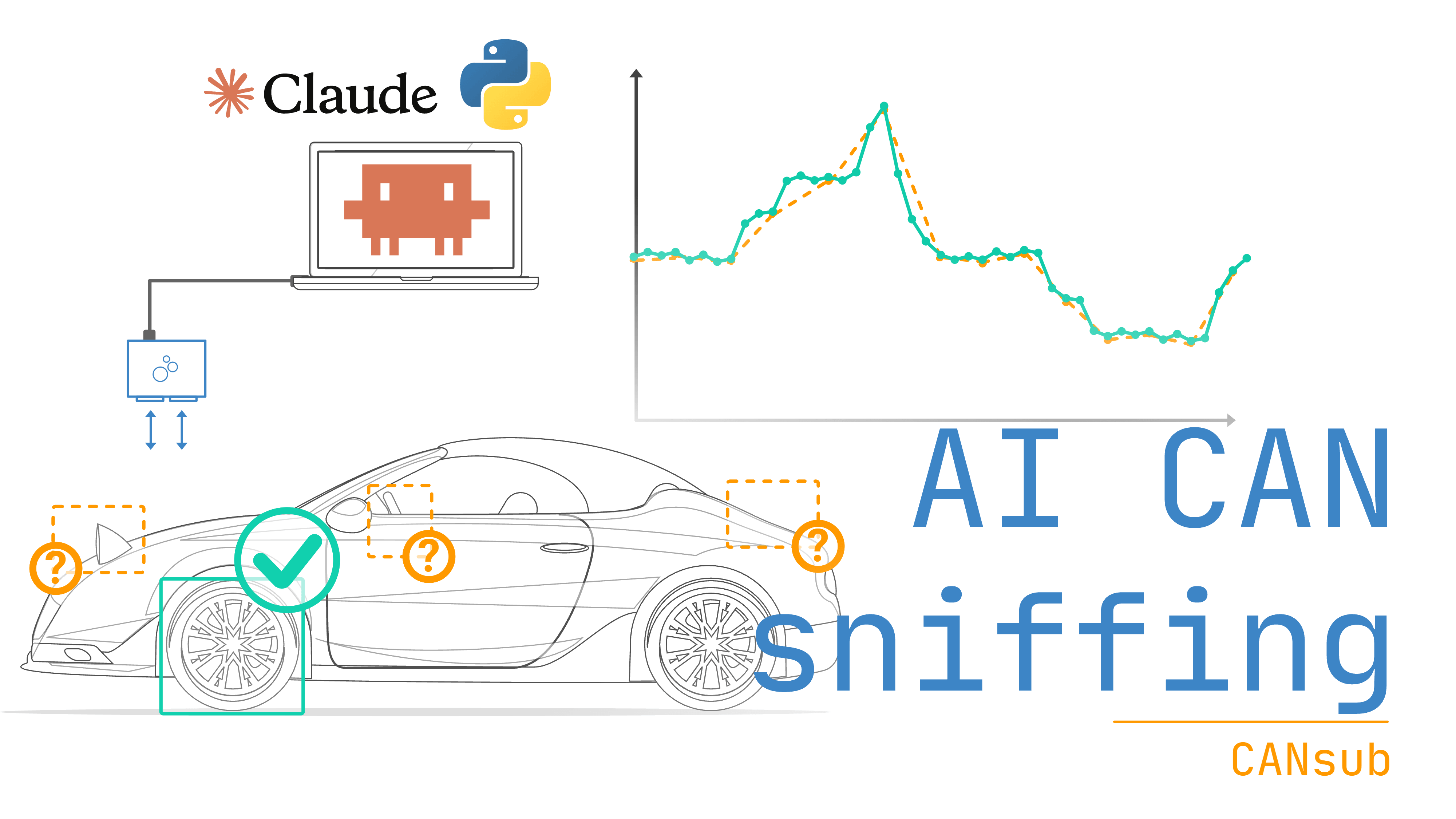
AI CAN bus reverse engineering in practice: Martin Falch uses our CANsub, python-can and an open source Claude Code skill to decode proprietary speed, RPM and gauge signals into DBC files. The workflow needs minimal expertise, takes 95%+ less time and includes free sample data.
AI CAN bus reverse engineering [Claude Code]
Can an AI agent reverse engineer your proprietary CAN bus signals?
Martin Falch tests this using our CANsub interface, python-can and a custom Claude Code 'skill' to decode speed, RPM and more.
Quick context: Reverse engineering proprietary CAN signals is an extremely common use case (e.g. for mixed fleet telematics - or just for fun). However, doing it by hand is slow and demands deep expertise. This workflow lets you do it with minimal expertise - and in 95%+ less time vs. the 'classic' approach.
The intro covers the below topics:
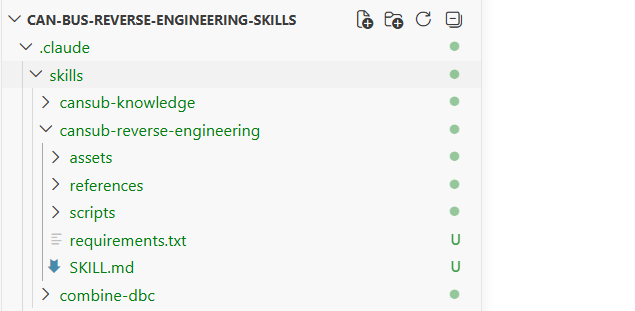
The skill
We explain how the Claude Code skill works (instructions + context material + Python scripts) and how Claude uses it to dynamically reverse engineer proprietary CAN data.
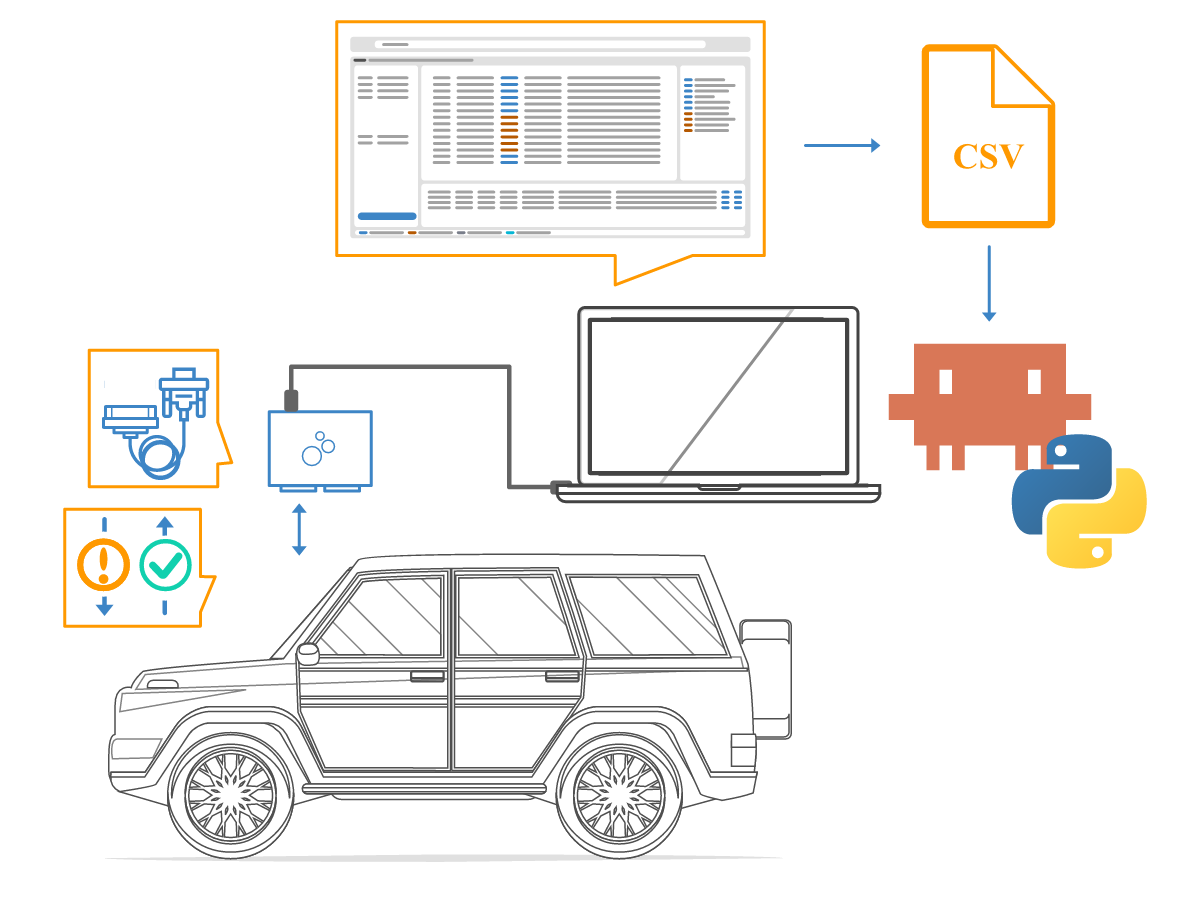
Reference signals
Learn why 'reference signals' are vital. This can be e.g. a CAN-based signal (like OBD2, GPS-to-CAN, ...), a filmed dashboard value (leveraging vision OCR) - or noisy human input via a built-in browser app.
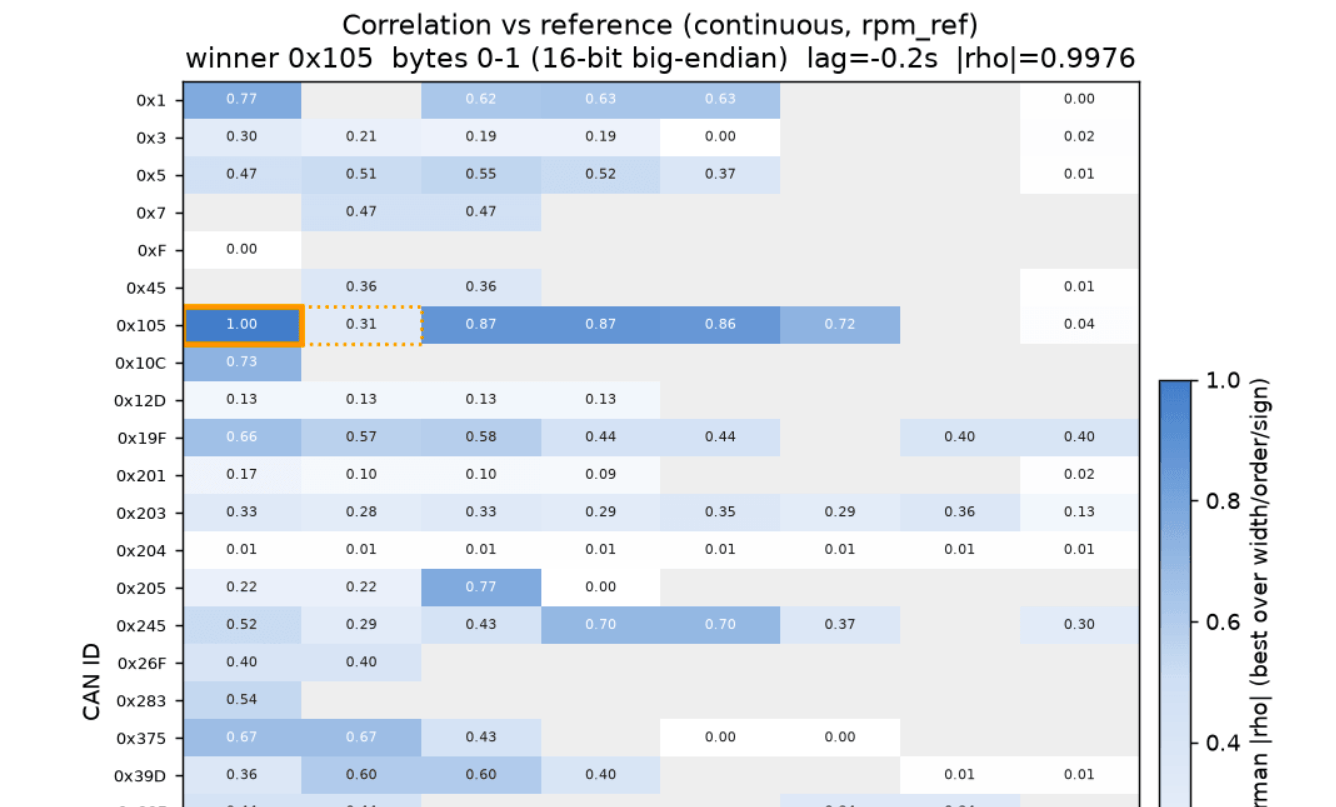
Step-by-step analysis
Get the technical breakdown of what happens under-the-hood incl. how Claude performs bit-activity surveys, correlation ranking, exhaustive bit searching for start bit/length/byte order/sign and finally scale & offset fitting with physical sanity checks - and how the result is formalized in ready-to-use DBC files - all using python-can.
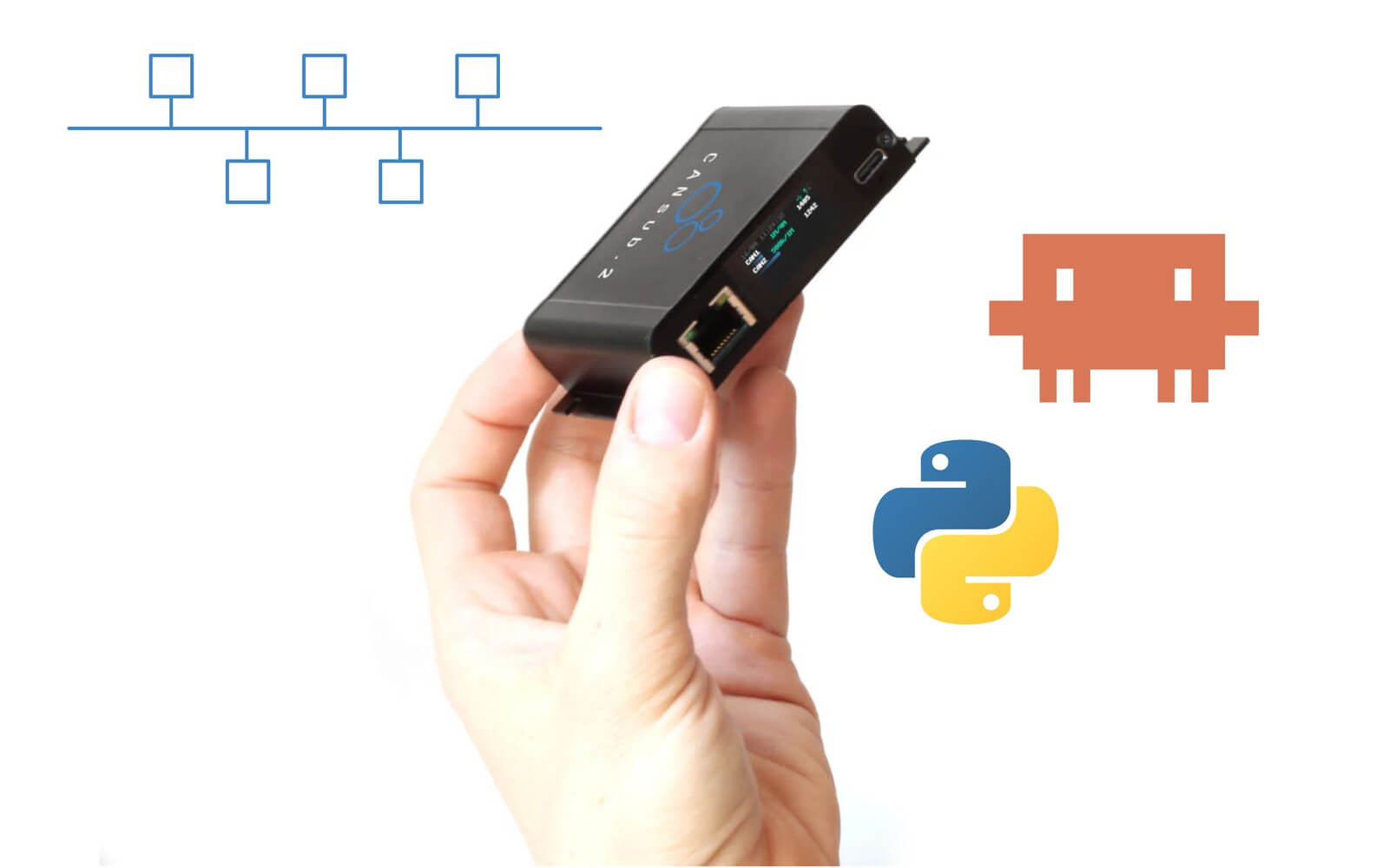
Why use the CANsub?
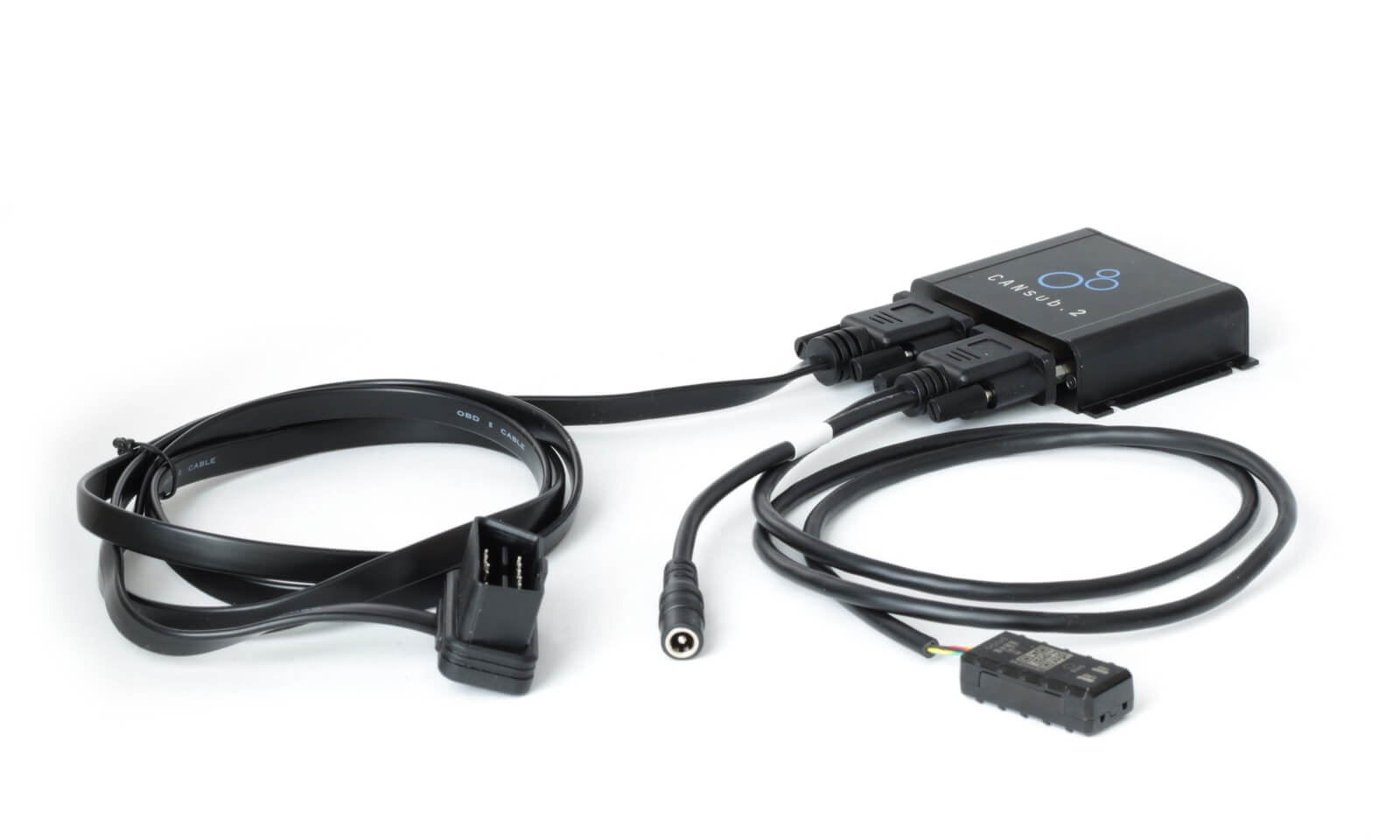
4 key reasons why we recommend using the CANsub.2 as your CAN sniffer interface.
How to get started
We provide step-by-step guidance to enable you to try this yourself within 10 minutes - incl. free sample data and the 100% open source skill.
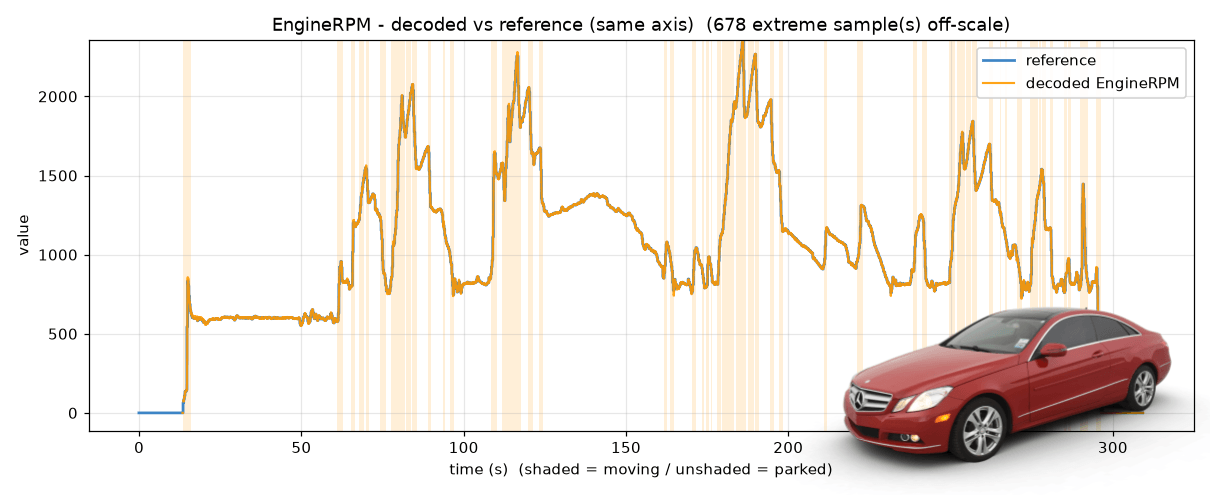
Ex 1: Mercedes speed & RPM (OBD2)
Using OBD2 PIDs as reference, Claude decodes proprietary speed + RPM signals in 5 min - producing a ready-to-use Mercedes DBC file.
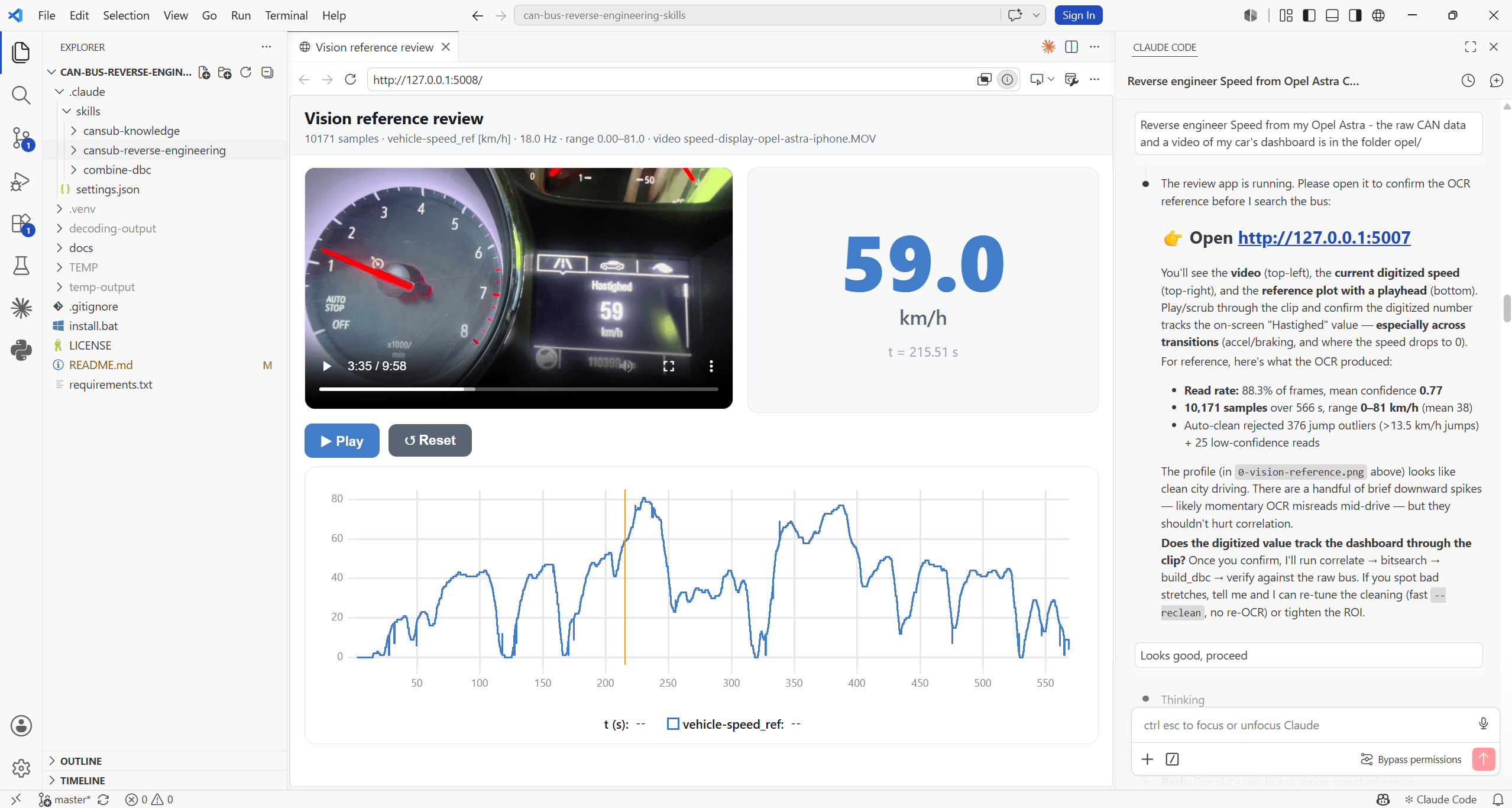
Ex 2: Opel Astra speed (vision OCR)
If no CAN-based reference is available, we can sometimes fall back to vision-based OCR (Optical Character Recognition). Here, the car's dashboard speed is filmed and digitized - letting Claude decode the proprietary speed signal.
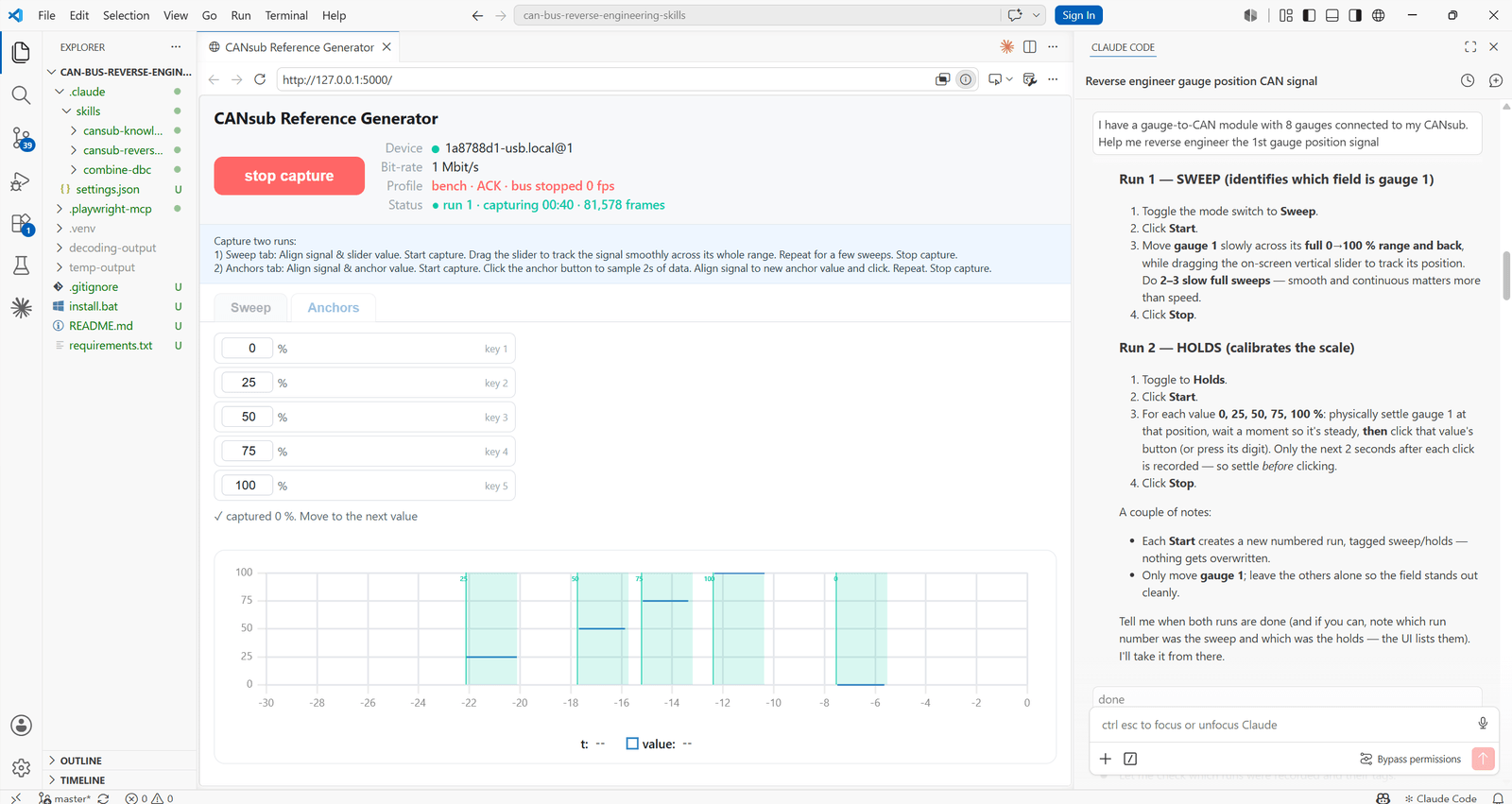
Ex 3: Gauge position (human input)
Claude single-shot decodes a gauge position signal from a noisy 'human input' reference signal (via a built-in browser app) - and extrapolates it to 7 other gauges. We then verify the validity live via webCAN.
As the intro shows, this concept works extremely well. We believe this will enable a real democratization of CAN sniffing - and a potential 95%+ time reduction per signal.
Tip: The intro is also available as a 30 min YouTube video at the top of the article.
Learn more below - and try it yourself with our free sample data pack!
This update was sent as part of our newsletter on 7 July 2026. You can also download it as a PDF.
Want updates like this in your inbox? Join our newsletter - or see all news.